Vero Creative Platform


Project Overview
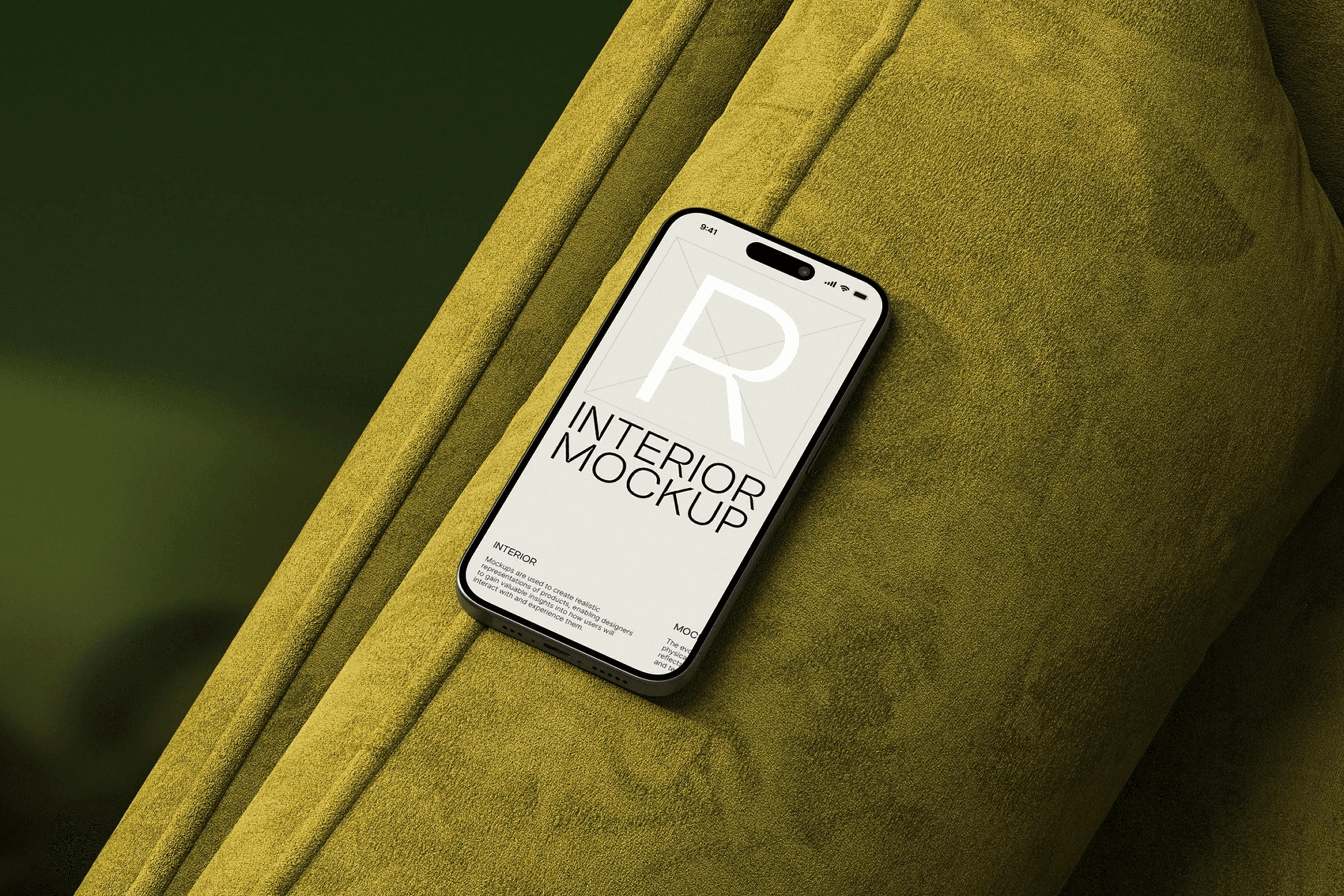
Vero Creative is a modern, brand-first digital platform designed for creative agencies and studios. The project focuses on building a strong visual identity while delivering a seamless, conversion-driven web experience. From storytelling to structured layouts, every element is crafted to communicate value clearly, enhance engagement, and support business growth.
Project Goal
The primary goal was to establish a bold and memorable digital presence for Vero Creative while ensuring high usability and performance. The platform was designed to showcase creative work effectively, attract potential clients, and drive inquiries through a clear and compelling user journey.
Challenge
One of the main challenges was balancing strong visual aesthetics with usability and performance. Creative portfolios often become visually heavy, which can affect speed and clarity. Ensuring smooth navigation, fast load times, and clear messaging without compromising design quality was critical to the project’s success.
Our Approach
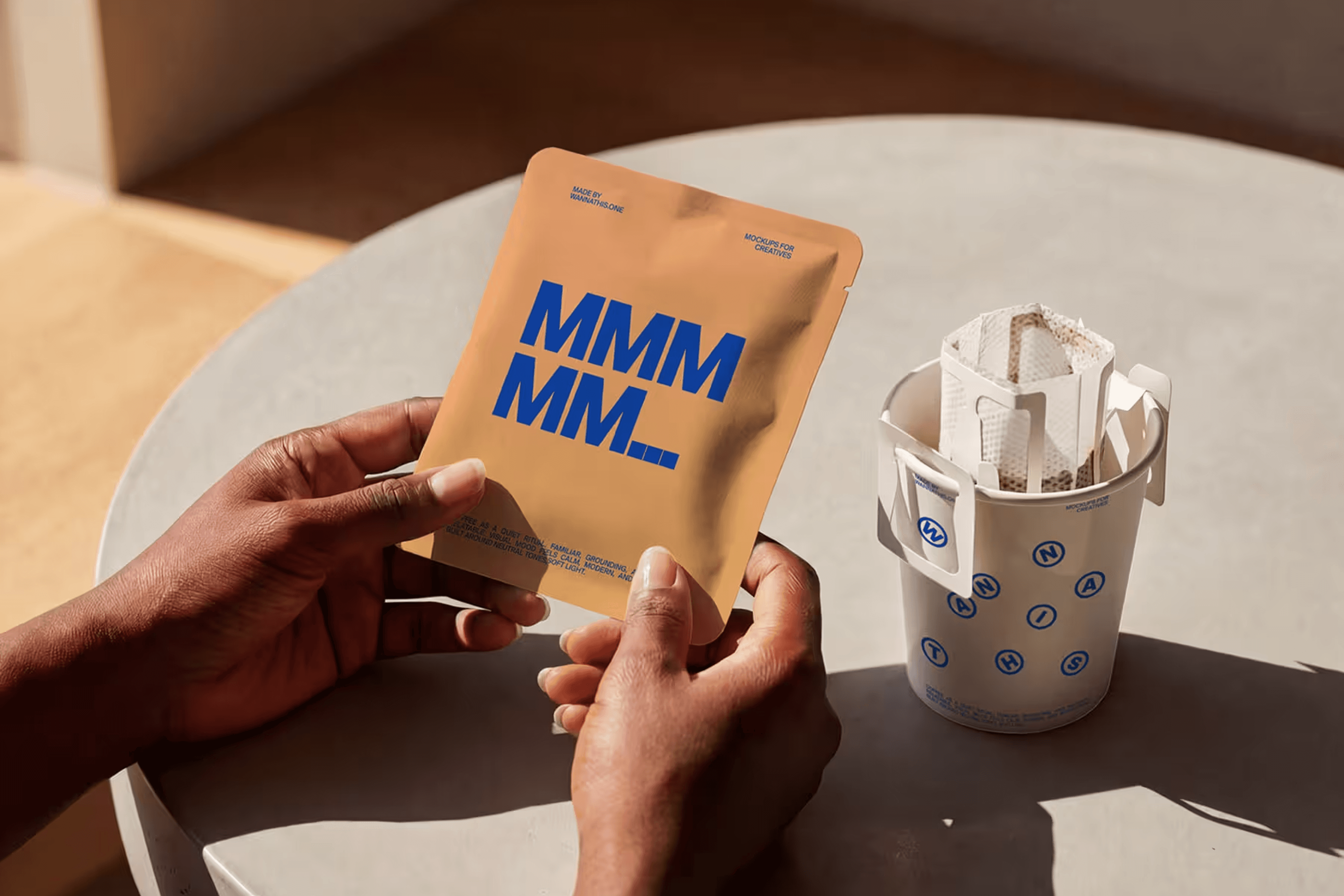
We adopted a design-first strategy supported by user experience principles. The structure was carefully crafted to guide users from discovery to conversion. We combined bold typography, minimal layouts, and strategic spacing to highlight key content while maintaining clarity. Each section was optimized to improve interaction, readability, and overall engagement.
Key Features
Vero Creative includes a modular design system that allows flexibility and scalability. The platform features dynamic project showcases, smooth transitions, responsive layouts, and optimized media handling. It is built for performance, ensuring fast load speeds and a consistent experience across all devices.
Results
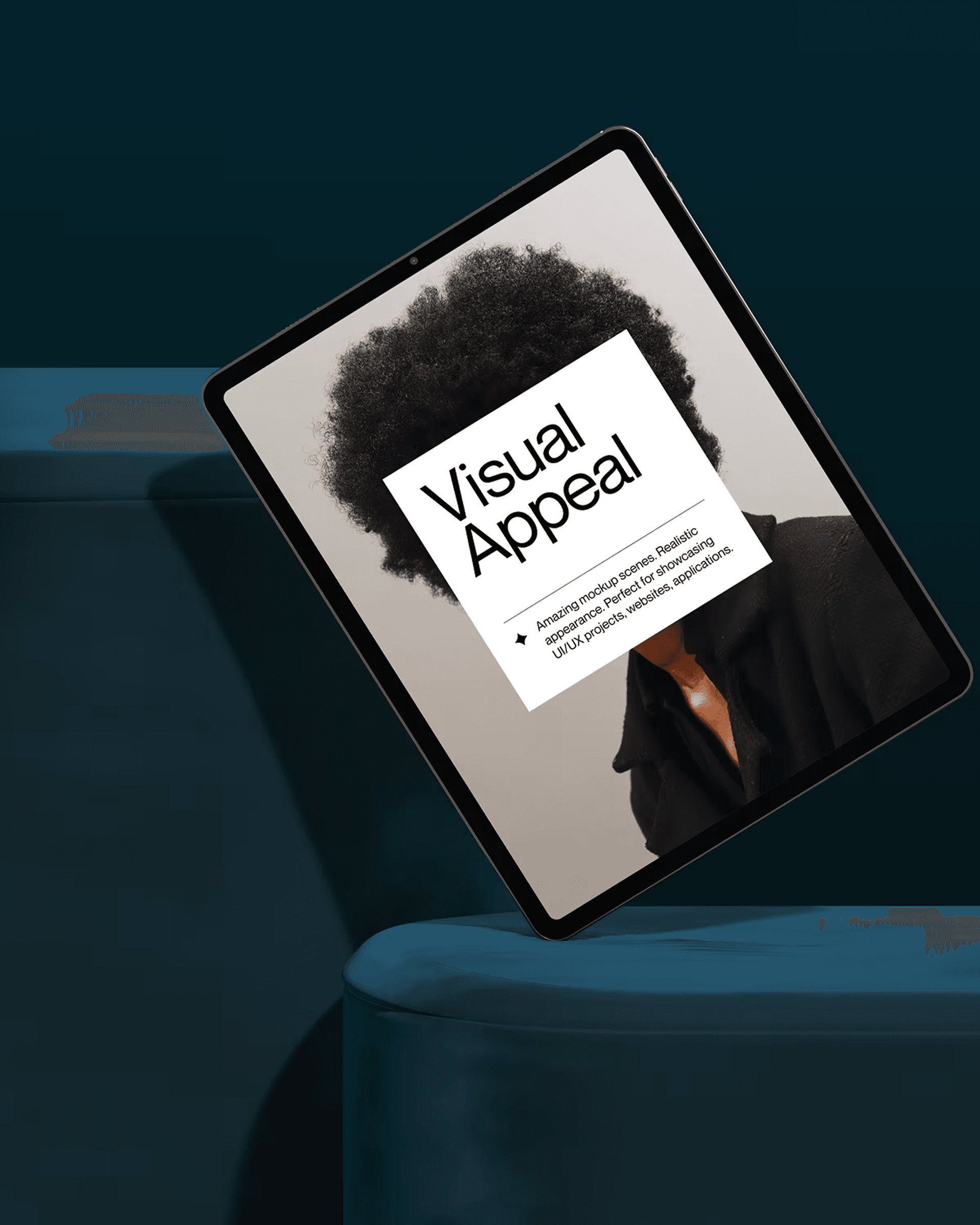
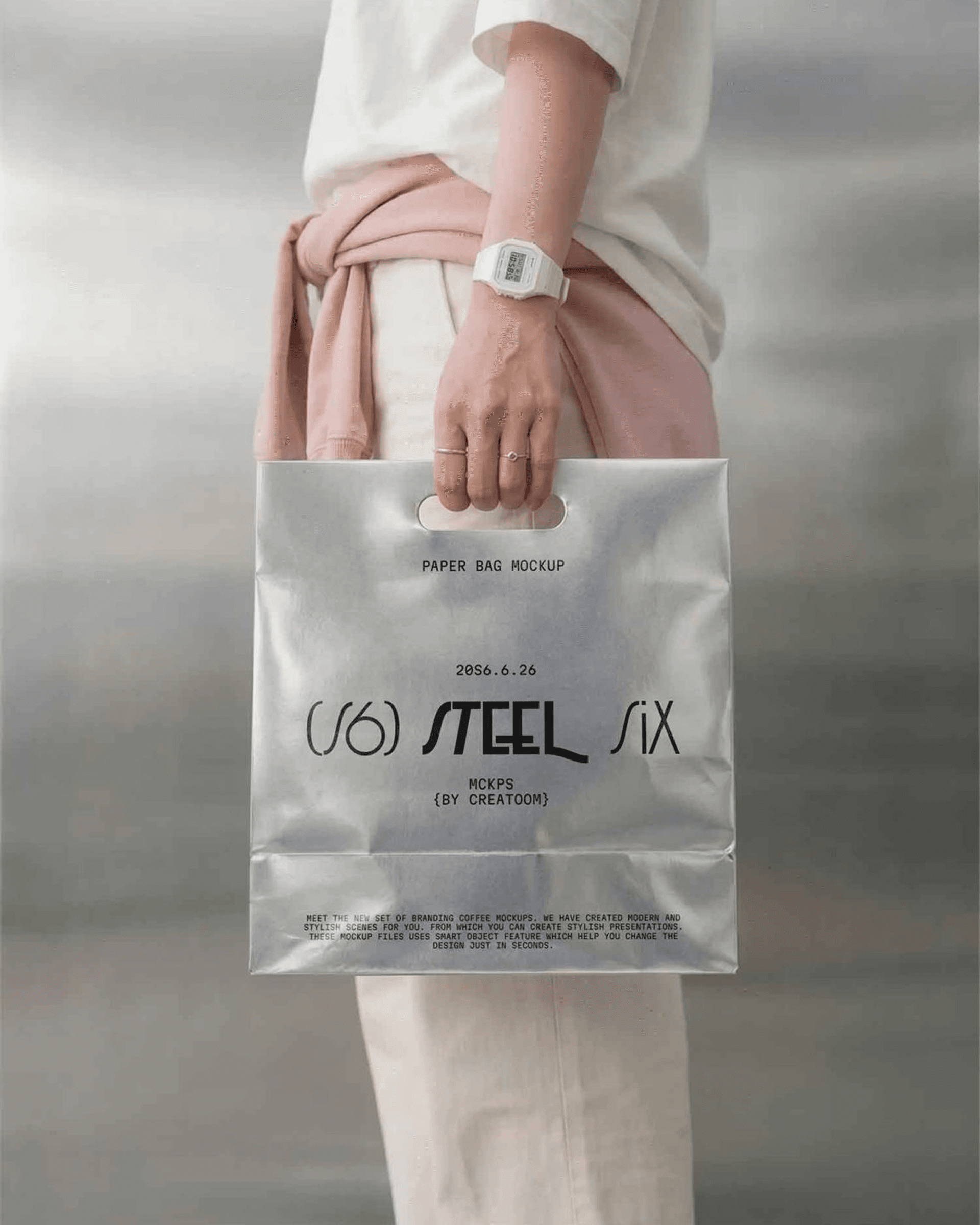
The final outcome is a visually striking and high-performing platform that strengthens brand identity and improves user engagement. The refined user journey increases conversion opportunities while providing a scalable foundation for future growth and content expansion.
Tools & Technologies
The project was designed using Figma for UI/UX exploration and prototyping, then developed using modern platforms like Framer and Webflow to ensure flexibility, responsiveness, and high performance across devices.